
Why Fast-Moving Housing Projects Depend on Accurate Construction Surveys From Day One
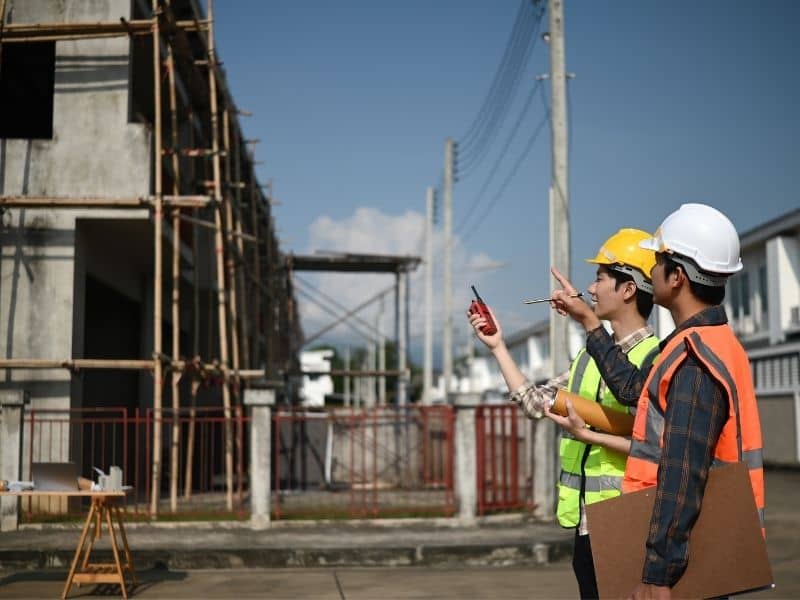
Housing demand isn’t slowing down, and builders are feeling that pressure on their schedules. Projects that used to take two years are being pushed to finish in eighteen months. Land gets purchased, permits get approved, and crews hit the ground fast. That speed creates real risk when the layout information isn’t solid from the start. One bad reference point early in the process doesn’t just affect one task. It carries forward and shows up in everything built after it. Construction surveys give builders the accurate positioning information they need before the first stake goes in, and that accuracy pays off every single day the project runs.
Why Shorter Construction Timelines Leave Less Room for Layout Adjustments
A few years ago, a layout issue that got caught two weeks into a project was annoying but manageable. There was enough time to fix it before it affected the next phase. That buffer is gone on today’s compressed schedules. When a foundation gets poured in the wrong spot or a utility trench runs off its correct line, the crew behind that one is already showing up expecting to start their work.
Construction surveys put accurate control points on the ground before any of that begins. The lot corners are right. The grades are confirmed. The building locations match the approved plans. When crews start with that solid foundation, they spend their time building instead of stopping to verify measurements that should have been locked in from the beginning. On a fast schedule, every hour spent chasing a layout question is an hour the project doesn’t get back.
How Construction Surveys Help Multiple Crews Work at the Same Time
Fast housing projects run multiple trades at once. While the utility crew is setting underground lines in one section, a concrete crew is pouring foundations three lots over, and a framing team is raising walls in the section after that. Each group is moving quickly and working from their own set of tasks, but all of them need to be building toward the same finished product.
That only works when everyone is using the same layout information. If the utility crew is working from one set of field marks and the concrete crew is working from another, the differences between those marks show up when the two scopes of work have to connect. Construction surveys give every trade on the site a shared set of reference points tied to the same recorded control. It doesn’t matter how many crews are working at once. They’re all working from the same accurate base, which keeps the work fitting together the way it’s supposed to.
Why Repeating Measurements in the Field Can Slow Down Housing Projects
Some builders rely on informal field measurements to check positions as work moves forward. One crew measures off an existing corner. Another measures off a string line someone set the day before. Each check introduces a small chance of error, and on a project with dozens of lots and hundreds of individual measurements, those small chances add up.
The bigger problem is time. Every time a crew stops to re-measure a location, verify a grade, or figure out where something should sit, the schedule takes a small hit. On a project already running tight, those small hits become a pattern that pushes the completion date back. Construction surveys set established control points across the site that crews can work from directly without running their own checks every time. The measurements are already done, already verified, and already tied to the recorded plan. That cuts the back-and-forth out of the daily workflow and keeps production moving at the pace the schedule demands.
How Construction Surveys Support Phased Development on Large Residential Projects
Large housing communities rarely get built all at once. Phase one goes in first. Phase two follows months or years later. Phase three comes after that. Each phase adds new streets, new lots, and new utility connections that have to line up with what was already built.
That continuity doesn’t happen by accident. Here’s where construction surveys make a real difference as a residential project moves through multiple phases:
- Control points established in phase one carry forward and anchor the layout of every phase that follows
- Street alignments stay consistent as new sections connect to roads already built and in use
- Lot dimensions remain accurate across phases even when different crews handle different sections
- Utility tie-ins match existing installations instead of creating conflicts at the connection points
Without that consistent survey foundation running through the whole project, small differences between phases accumulate into bigger problems by the time the last section gets built.
Why Accurate Construction Surveys Help Builders Stay Focused on Production Instead of Corrections
Corrections are expensive. Not just in materials, but in time, crew attention, and momentum. When a builder has to stop production to address a layout problem, the whole rhythm of the project breaks. Crews sit idle. Deliveries arrive for work that can’t proceed. Subcontractors reschedule and move to other jobs, sometimes taking days to get back on site.
Accurate construction surveys reduce how often that happens. When the layout is right from the start, crews build with confidence instead of second-guessing positions as they go. Problems that come from bad layout information simply don’t appear, because the information was solid before anyone picked up a tool. Builders who use construction surveys consistently on fast-moving housing projects spend less time managing corrections and more time hitting their milestones. That difference shows up in the final delivery date, the budget, and the overall quality of the finished community.
Frequently Asked Questions
Why are construction surveys important on fast-moving housing projects?
They give builders accurate layout information from the start, which keeps crews working efficiently and reduces the chance of errors that slow the project down.
Do construction surveys help when several contractors are working at once?
Yes. They give every trade on the site a shared set of reference points, so separate crews stay coordinated even when they’re working in different areas at the same time.
Can construction surveys improve phased residential developments?
Yes. Control points set in early phases carry forward and keep new sections consistent with everything already built, which matters a lot when phases are separated by months or years.
Who typically uses construction survey services?
Builders, developers, engineers, contractors, and project managers all rely on construction surveys throughout the building process.
Do construction surveys only help at the start of construction?
No. They support the project from initial layout through every phase of development, providing reliable positioning information whenever new work begins.
