Why a Boundary Survey Is the Only Way to Know Where Your Property Really Ends
Many property owners believe they know where their land stops. They rely on fences, old landmarks, online maps, or what previous owners told them. Yet those clues do not always match the legal boundary. A boundary survey gives a much clearer answer because it uses field measurements and recorded documents to locate property lines accurately.
That difference can matter more than people expect.
Even a few feet can affect future plans, ownership questions, and property value. Knowing the exact limits of a parcel helps owners make decisions with more confidence.
What Does a Boundary Survey Show?
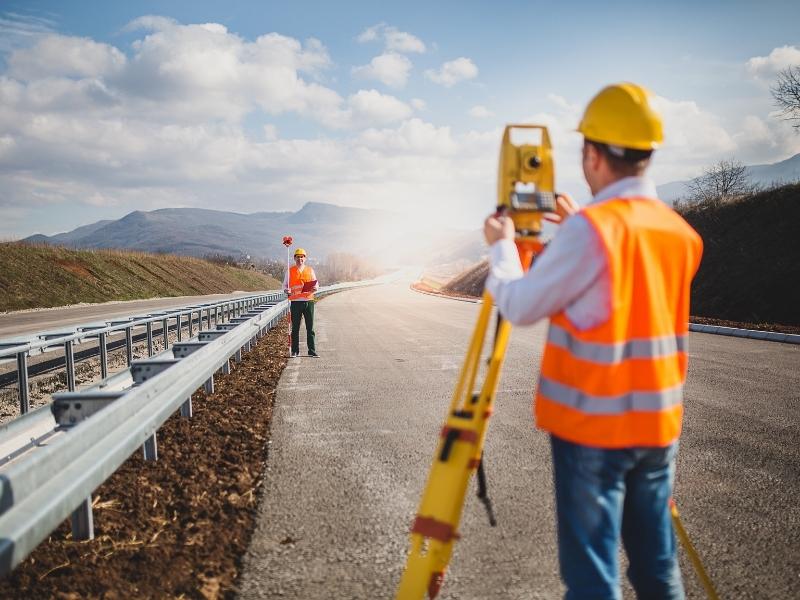
A boundary survey identifies the legal edges of a property. Surveyors study deeds, plats, and other records. They also search for existing monuments and collect measurements on the site.
By bringing those pieces together, they establish the location of the property boundaries.
This process provides information that owners can rely on when planning projects or evaluating a piece of land.
Why Property Lines Are Not Always Obvious
Property boundaries do not always match what people see.
A row of trees may look like a dividing line. A driveway may seem to belong entirely to one owner. Even long-standing features can create false impressions.
Land changes over time. Previous owners may have installed improvements without confirming the exact boundary. Some markers disappear. Records may reference monuments that no longer exist.
Because of that, assumptions often lead to confusion.
A boundary survey replaces guesswork with measured information.
How Ownership Records and Field Evidence Work Together
Recorded documents tell part of the story. The land itself tells another part.
Surveyors compare legal descriptions with evidence found in the field. They evaluate monuments, review historical records, and analyze measurements to determine where boundaries exist.
Sometimes everything lines up perfectly.
Other times, differences appear.
Those differences do not always mean something is wrong. They simply show why a professional review matters.
Without that review, owners may rely on information that does not reflect current conditions.
Why Small Differences Can Have Big Effects
A few feet may not seem important.
Still, those few feet can influence how a property owner uses the land.
Future additions, detached garages, workshops, and landscaping plans all depend on available space. If the usable area turns out to be smaller than expected, project plans may need to change.
Property owners who understand their boundaries early often avoid unpleasant surprises later.
That knowledge also helps when discussing new ideas with architects, engineers, and builders.
Why Online Maps Have Limits
County maps and online property viewers make research easier. They give owners a general idea of parcel locations and dimensions.
Still, these systems come with disclaimers.
Most mapping websites state that their information should not be used to establish legal boundaries. Satellite images and parcel viewers provide estimates, not survey-grade accuracy.
Zooming in on an aerial image may create confidence. Yet confidence and accuracy are not always the same thing.
A boundary survey remains the accepted method for locating legal property lines.
Why Accurate Information Matters
People make better decisions when they have reliable information.
Some owners plan to keep their land for decades. Others may sell later. Families sometimes transfer property to children or divide larger parcels.
Clear boundary information supports those decisions.
It also creates a stronger understanding of what the property actually includes.
That understanding becomes valuable whenever questions arise about ownership, land use, or planned improvements.
Why Boundary Surveys Still Matter in the Digital Age
Technology has changed many parts of daily life. Property research has become easier than ever.
Yet technology has not replaced professional surveying.
Modern tools help surveyors collect and analyze information. Still, experience and legal research remain part of the process.
Property ownership involves more than lines on a screen.
It involves records, measurements, and evidence gathered over time.
That is why boundary surveys continue to play an important role in land ownership.
Knowing Your Property Starts With Facts
Many people assume they know where their land begins and ends.
Sometimes they are right.
Sometimes they are not.
Visual clues can create false confidence. Online maps can provide estimates. Stories passed down through previous owners may contain mistakes.
A boundary survey provides something more dependable.
It gives property owners information based on records and measurements instead of assumptions.
For anyone who wants a clear understanding of their land, that information remains difficult to replace.
Frequently Asked Questions
What is the purpose of a boundary survey?
A boundary survey establishes the legal limits of a property using recorded documents and field measurements.
Can property lines change over time?
Legal boundaries usually remain the same. Still, missing markers, old records, and changing site conditions can create confusion about their location.
Are online property maps accurate?
Online maps provide useful estimates, but they are not intended to establish legal boundaries.
Why do surveyors review deeds and records?
Surveyors compare historical records with field evidence to determine the location of property lines.
Can a boundary survey help with long-term planning?
Yes. Accurate boundary information helps property owners make informed decisions about land use and planned improvements.
